UttaraPedia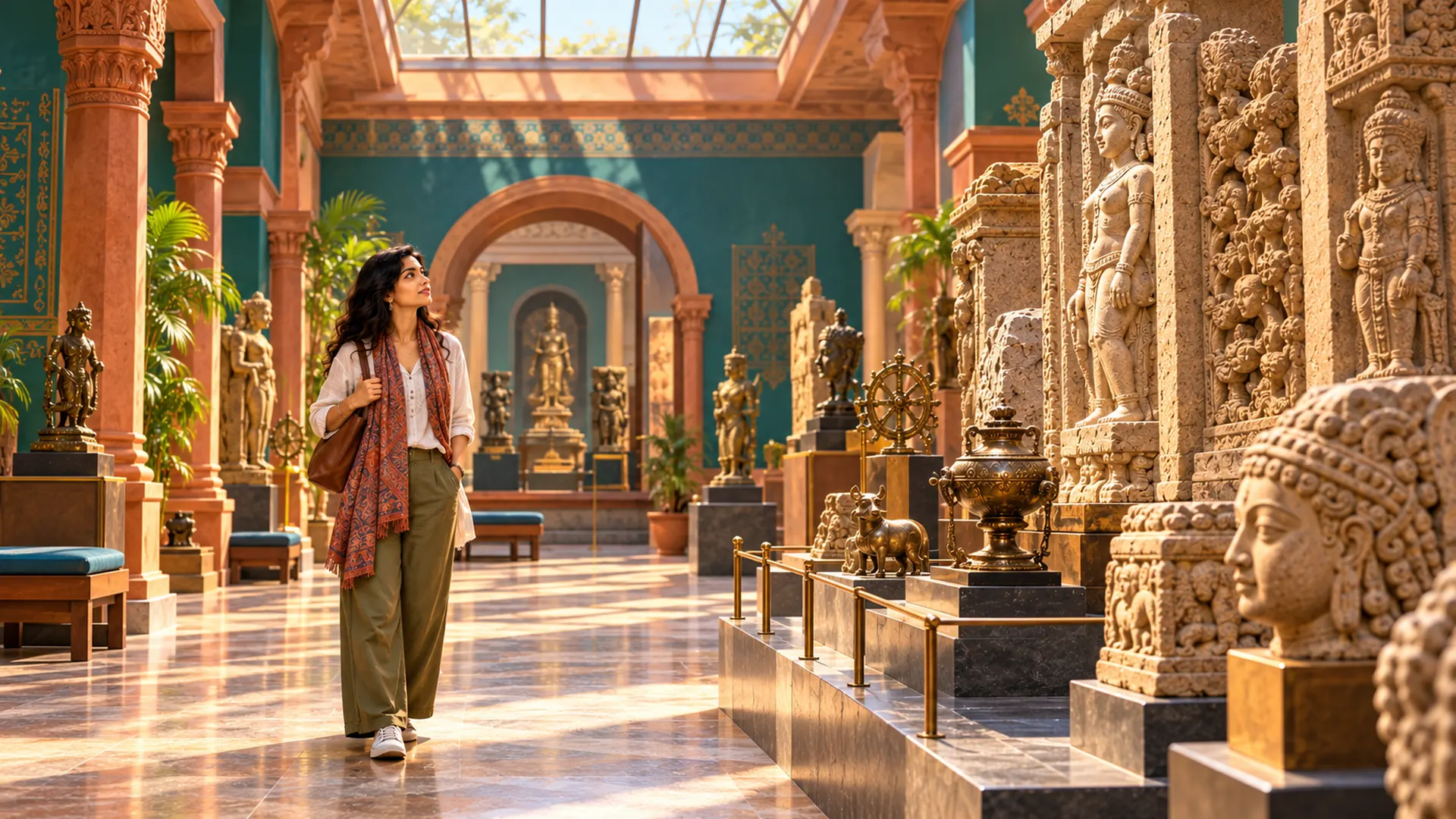
A museum may be open in the city you are visiting, yet your plan can still fail because Monday is closed, the last ticket is earlier than closing time, or a large bag cannot enter the gallery. The safest museum plan begins with four checks: the official page, the date, the ticket route and the object rules.
Check the institution, not a generic city list
India has national, state, municipal, university, trust and site museums. Their weekly closing days are not identical. Open the museum’s own website or the responsible department’s page and look for a “Visit” or “Plan your visit” section. A search result may show an old time, so note when the page was updated and recheck on the morning of your visit.
Closing time is not the same as last entry
A museum can stop ticket sales or gallery entry before the building closes. If the site does not state last entry, avoid arriving in the final hour. For a first visit, choose two or three galleries that match your interest instead of racing through every floor.
The National Museum’s official visitor information, for example, separately lists its hours, weekly closure, photography and storage guidance; use the current page for the day you go.
Read photography and bag rules
“Photography allowed” may still mean no flash, no tripod, no video or prior permission for publication. A cloakroom may accept a small bag but not valuable equipment. Carry only what you need, keep identification if a discounted ticket requires it, and ask staff before photographing a sensitive object or gallery.
Build a useful ninety-minute visit
- Spend ten minutes reading the floor plan.
- Choose one gallery for context and one for close observation.
- Read fewer labels, but connect each object with material, date and place.
- Leave time for the museum shop, cloakroom and exit route.
At an archaeological site museum, combine the objects with the monument outside, but do not assume the ticket or photography rule is shared. Our guide to protected monuments and World Heritage labels helps you separate legal status from visitor arrangements.
Before leaving your hotel, save the official visitor page—not just the map pin. It gives you a reliable next step if timings, access or ticketing change.
Accessibility deserves an exact check
A website may say that a museum is accessible, but your visit can depend on the entrance in use, lift maintenance, wheelchair availability and the route between galleries. Contact the museum through its published channel when this affects the trip. Also separate permanent information from a temporary exhibition notice.
An exhibition can end while the museum remains open, and one gallery can close while the rest of the building operates normally.
This small check protects the useful part of your day.